
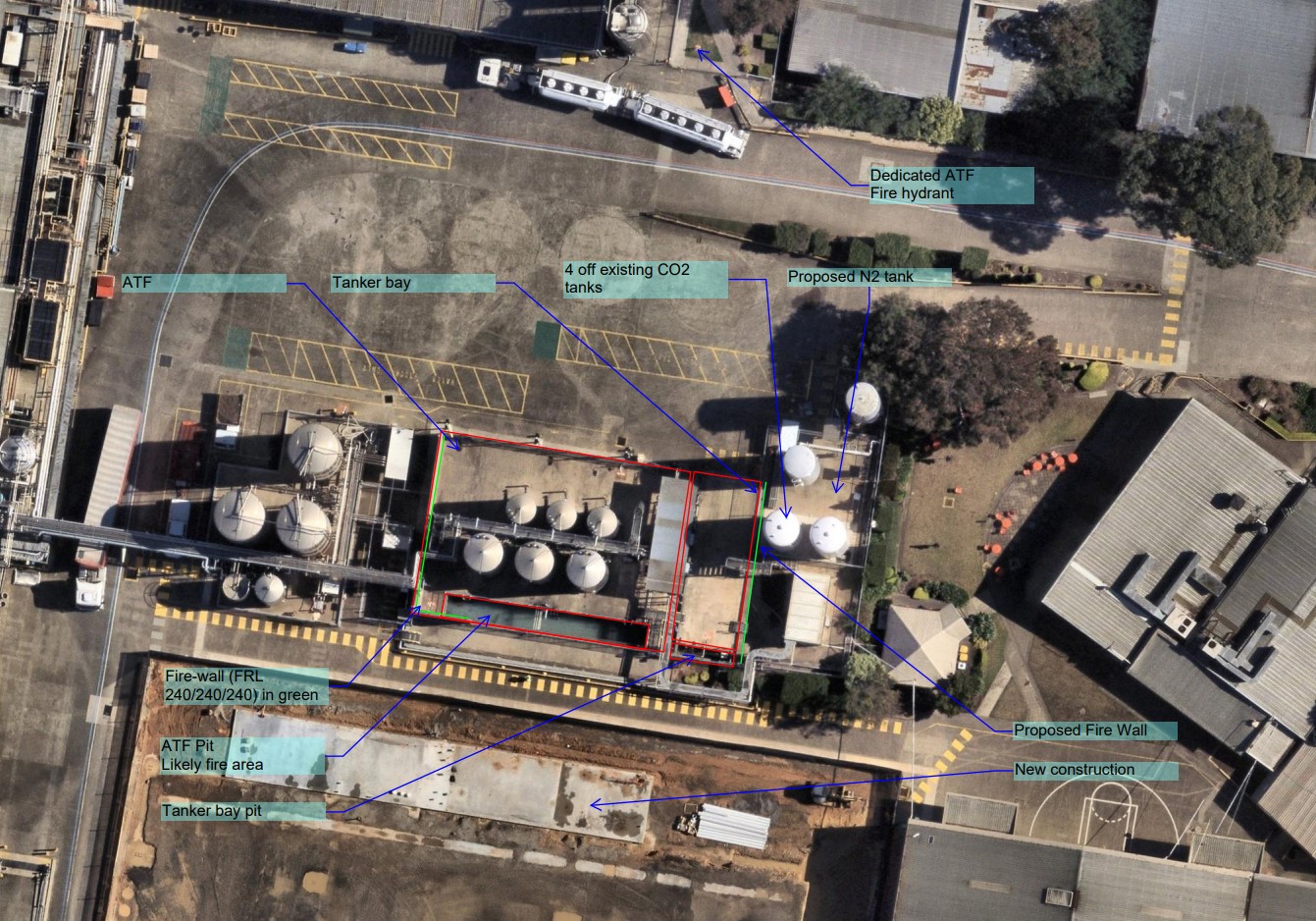
A Preliminary Hazard Analysis (PHA) is a critical component of risk assessment, particularly for facilities handling hazardous materials. This blog will explore the key questions surrounding PHAs, providing insight into when and how they are conducted and their role in safety and regulatory compliance.
1 What is a Preliminary Hazard Analysis (PHA)?
A Preliminary Hazard Analysis (PHA) is a risk assessment that identifies potential hazards and evaluates their likelihood and consequences early in a project’s lifecycle. The aim of a PHA is to proactively identify risks, recommend safety measures, and reduce the likelihood of incidents. It is typically used in industries involving Dangerous Goods, hazardous materials, maojr hazard facility, complex operations, or high-risk environments.
In Australia, USE and Europe, PHA is widely used for land use planning by local, state and federal governments planning department for approval/permitting development of significant hazardous development.
PHA is referenced in NSW Dept. of Planning and Environment (DPE) Hazardous Industry Planning Advisory Paper (HIPAP) documents, particularly HIPAP No 4, HIPAP No 6, and HIPAP No 10, and Victorian Fire Rescue Victoria (FRV) Fire Safety Guideline GL-55.
Legal Obligations
The requirement for conducting a PHA may come as a development consent condition form respective state department of planning.
2 When does a proponent need to do a PHA?
A PHA should be conducted in the early stages of project development, particularly during land use planning and design phases. This helps decision-makers identify and mitigate risks before significant investments are made. Regulatory guidelines, such as those from the NSW Department of Planning and Environment (DPE), the Victorian Department of Transport and Planning (DTP), and Fire Rescue Victoria (FRV) through their fire safety guideline GL-55 – battery energy storage facility, emphasize the importance of early-stage hazard assessment.
3 How to conduct a PHA?
Conducting a PHA involves the following steps:
- Identify hazards: Document all potential hazards related to the facility’s operations, materials, and processes.
- Analyse risks: Assess the likelihood and potential consequences of identified hazards.
- Propose control measures: Recommend mitigation strategies to reduce risks.
- Document findings: Compile results in a PHA report to demonstrate compliance with safety and regulatory requirements.
A semi-quantitative risk assessment such as Consequence Analysis is the key part of a PHA methodology. A consequence analysis may trigger further quantitative risk analysis (QRA) for frequency analysis of an event. Standards and guidelines such as NSW DPE publications HIPAP No 4, HIPAP No 6, and HIPAP No 10 provide detailed methodologies for conducting PHAs, ensuring comprehensive hazard identification and assessment.
4 Who is qualified to conduct a PHA?
A PHA requires specialized expertise in consequence analysis, quantitative risk assessment (QRA), process safety, and hazard identification. Consultants from Risk and Safety Solutions Melbourne (RSSM) have 20 years of extensive experience and qualifications in conducting PHAs. Our team includes trained chemical engineers and risk specialists who follow best practices and regulatory guidelines to deliver thorough and reliable hazard analyses.
Seek assistance from the Risk and Safety Solutions Consultant – info@riskandsafetysolutions.au
5 Is computer software necessary for a PHA?
Yes, specialized software tools enhance the accuracy and efficiency of a PHA. These tools simulate potential scenarios, quantify risks, and provide data-driven insights. Commonly used software includes:
- DNV – Phast
- DNV – Safeti
- Gexcon – Effect
- GEXCON – RiskCurve
- FLACS (Flammable and Explosive Atmospheric Simulation)
At RSSM, our consultants are trained in these industry-leading tools to ensure robust risk assessment and hazard modelling.
6 At what stage of a project is a PHA required?
A PHA is typically required during the land use planning stage of a project. Early identification of hazards is crucial to secure planning approvals and prevent costly design changes later. Regulatory bodies such as NSW DPE, Victorian DTP, and FRV (GL-55) emphasize the need for PHAs as part of the initial planning process.
7 Does a PHA require a Quantitative Risk Assessment (QRA)?
In some cases, a Quantitative Risk Assessment (QRA) may be required to complement a PHA. While a PHA provides a semi-qualitative overview of hazards, a QRA offers detailed, quantitative analysis to assess high-risk scenarios. Regulatory authorities may mandate a QRA if the risks identified in the PHA warrant further in-depth investigation such as determination of frequency.
8 Does a PHA need to consider both onsite and offsite hazards?
Yes, a PHA must assess both onsite and offsite hazards. Onsite hazards include risks related to equipment layout, material handling, and operational processes. Offsite hazards involve potential impacts on neighboring facilities, communities, and the environment. A comprehensive approach ensures that all risk factors are accounted for in the analysis.
9 Where can you get more help on conducting a Preliminary Hazard Analysis (PHA)?
For expert assistance with conducting a PHA, contact Risk and Safety Solutions Melbourne (RSSM). Our experienced consultants provide tailored solutions to meet your project’s needs, ensuring compliance with regulatory requirements and best practices. Reach out to us directly through our Contact Us page
References:
- Hazardous Industry Planning Advisory Paper (HIPAP) No. 4: Risk Criteria for Land Use Safety Planning
- HIPAP No. 6: Hazard Analysis
- HIPAP No. 10: Land Use Safety Planning
- NSW Department of Planning and Environment (DPE)
- Victorian Department of Transport and Planning (DTP)
- Fire Rescue Victoria (FRV) Guideline GL-55 – Battery Energy Storage Facility
- DNV Phast and Safeti, Gexcon Effect, Gexcon RiskCurve, and FLACS software documentation