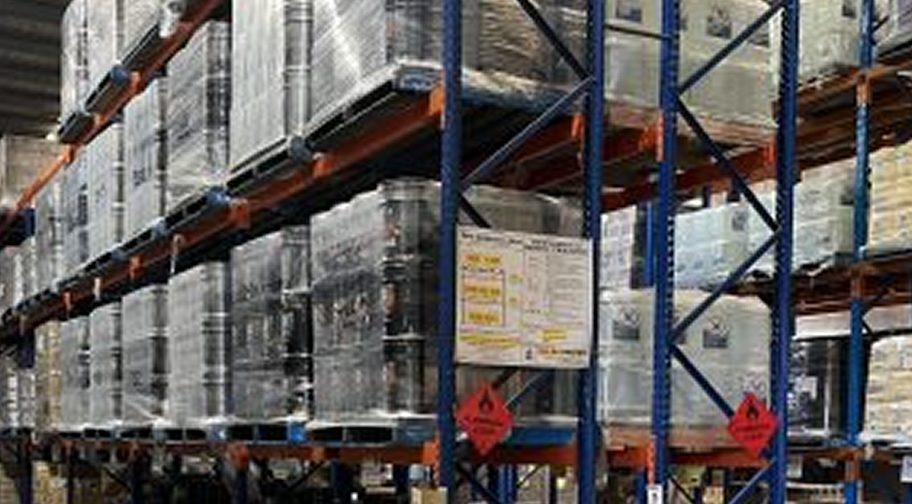

If you are building or expanding a site that stores or handles hazardous materials, a Fire Safety Study is likely to be on your list of approval conditions. Here is what it is, why it matters and how to get it right the first time.
Key takeaways
- A Fire Safety Study shows how fire risks on your site will be prevented, detected and controlled.
- In NSW it is often a condition of development consent for hazardous industries, prepared in line with HIPAP 2.
- Fire authorities review it, so a clear, site-specific study avoids costly resubmissions.
What is a Fire Safety Study?
A Fire Safety Study is a detailed assessment of the fire hazards at a facility and the measures in place to manage them. It identifies credible fire and explosion scenarios, then checks that your prevention, detection, protection and emergency response arrangements are adequate for each one.
In NSW, studies for hazardous developments are prepared in line with the Department of Planning’s Hazardous Industry Planning Advisory Paper No. 2 (HIPAP 2), and are usually reviewed by Fire and Rescue NSW before they are accepted.
When does your site need one?
You will usually need a Fire Safety Study when:
- It is a condition of your development consent, which is common for hazardous and offensive developments.
- You store significant quantities of dangerous goods, such as flammable liquids, gases or lithium-ion batteries.
- You operate, or are building, a battery energy storage system, data centre or major hazard facility.
- A fire authority or regulator has asked for one after a change on site.
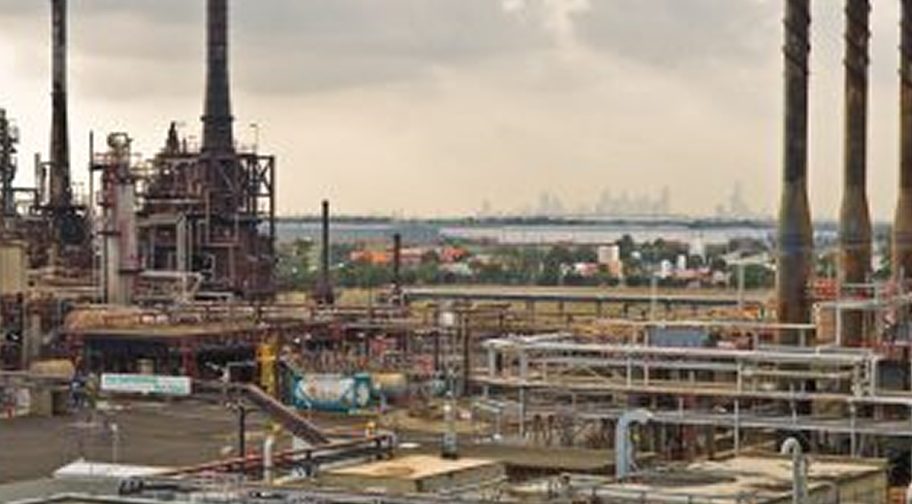
What does it cover?
Every study is different, but most look at four areas:
Fire scenarios
What could realistically catch fire or explode, and how it would spread.
Prevention & detection
Ignition controls, alarms and detection matched to those scenarios.
Protection systems
Fire water, hydrants, sprinklers and suppression, checked for adequacy.
Emergency response
Access, information and procedures so responders can act quickly.
A good Fire Safety Study does more than pass review. It gives your team a clear plan for keeping the site safe.
How to avoid delays and resubmissions
- Start early
Bring fire safety into the design stage, before the layout is fixed and changes get expensive. - Make it site-specific
Generic templates are one of the most common reasons studies are sent back. - Talk to the fire authority
Early conversations reduce surprises when the study is submitted for review. - Keep recommendations actionable
Clear, prioritised actions are easier for regulators to accept and for your team to deliver.
Need a Fire Safety Study for your site?
Our registered fire safety engineers can tell you what your site needs and how to get it approved.